
"Our roots are thousands of years old. Many human beings have lived in and travelled across this land," says Cristián, a sustainable tourism promoter. From north to south, Chile keeps traces of that history: some of the oldest human remains on the continent, nitrate works, mining camps, the homes of its poets and the living culture of the Mapuche people.
Arica: the oldest traces
In Arica, the San Miguel de Azapa Archaeological Museum holds the mummies of the Chinchorro culture, fishing peoples who were already mummifying their dead some 7,000 years ago and who are now a World Heritage Site. For Cristián, visiting it means "getting to know the past through the traces our ancestors left behind; understanding, in some way, how they lived and how they thought."
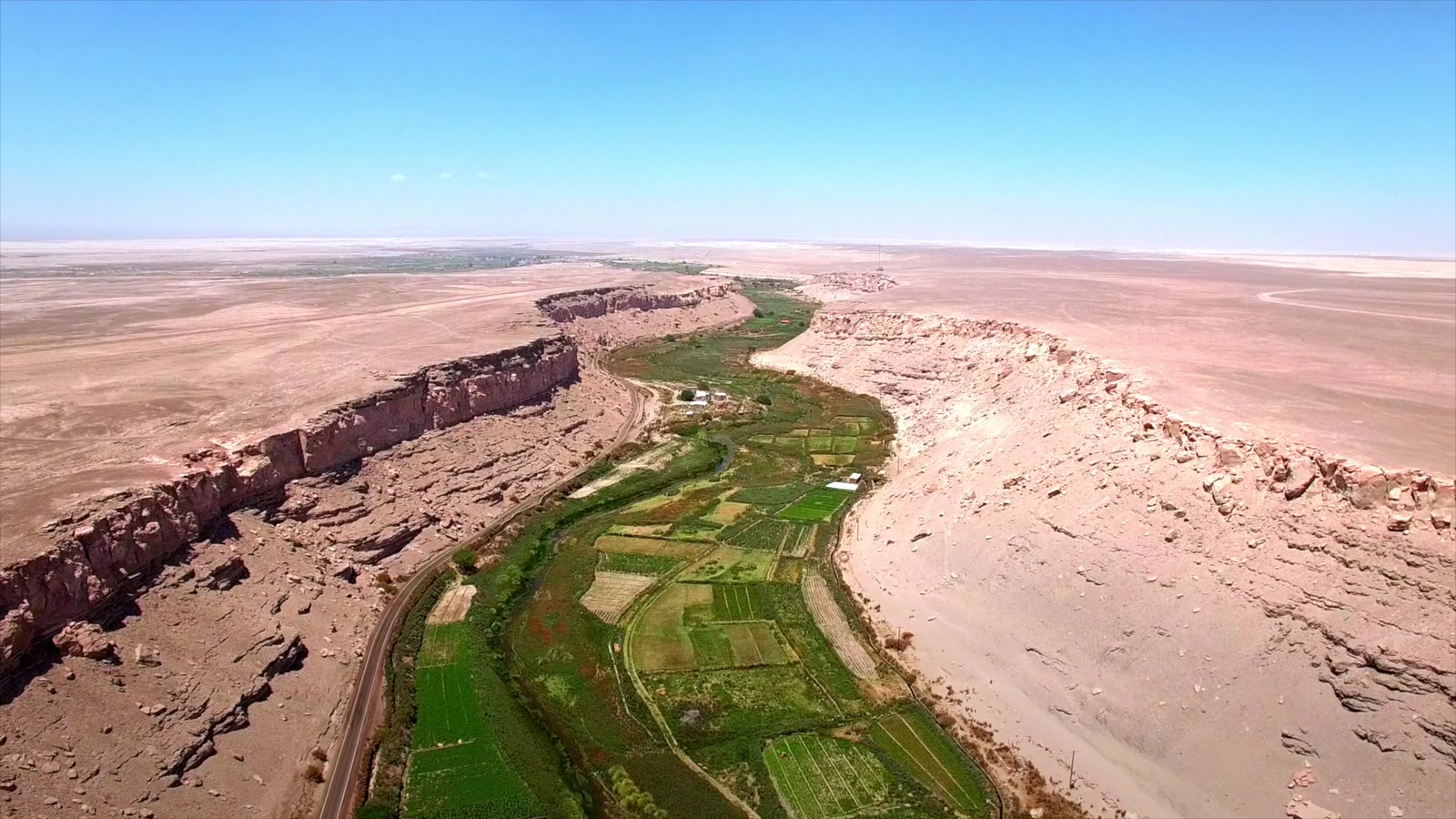 A green valley in the middle of the northern Chilean desert
Very close to the city, by the sea, are the Anzota Caves, reached along a path between the cliffs.
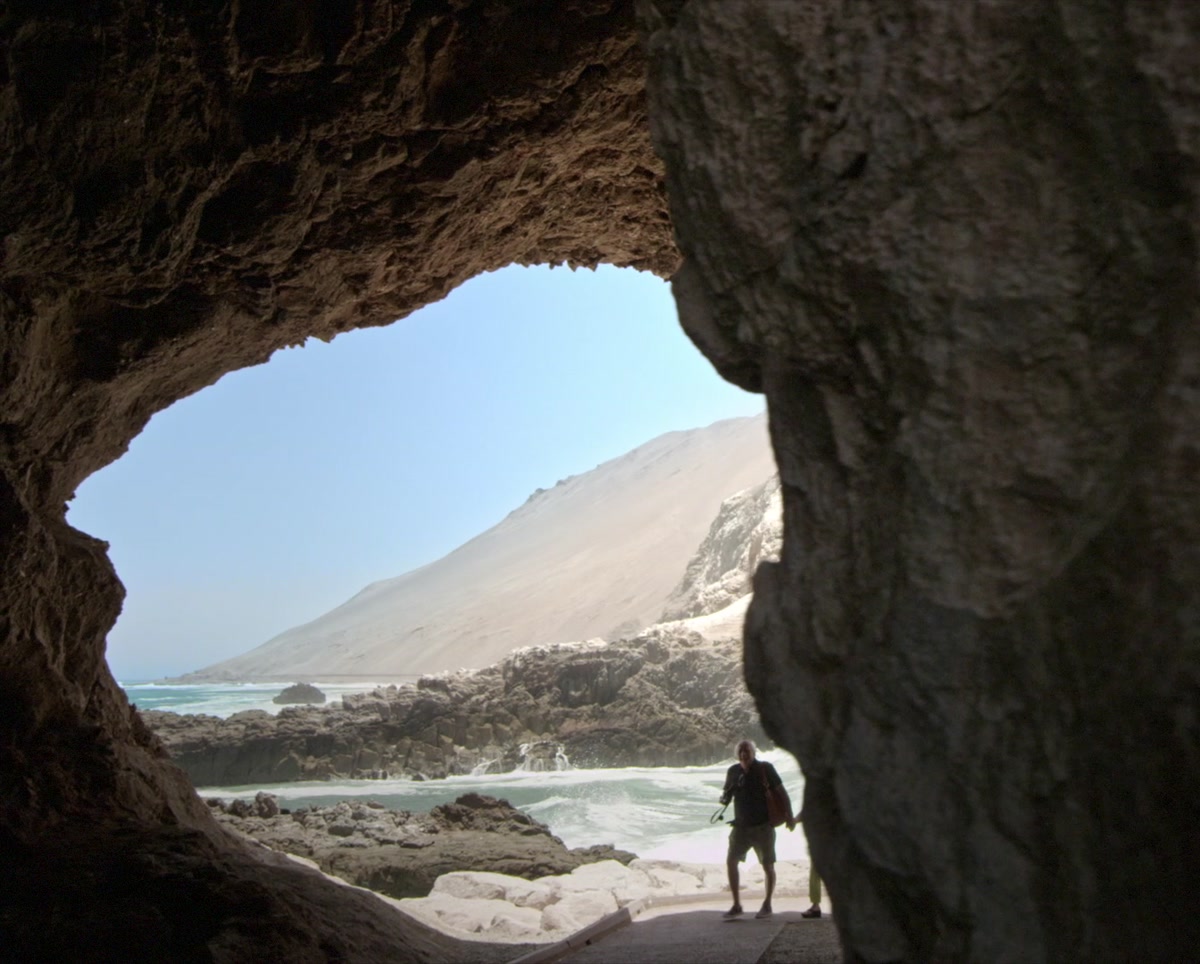 Anzota Caves, in Arica
Iquique: the nitrate era
On the pampa near Iquique stands the Santa Laura nitrate works, which together with Humberstone was declared a World Heritage Site. Its sheds and machinery tell what life was like in the nitrate years.
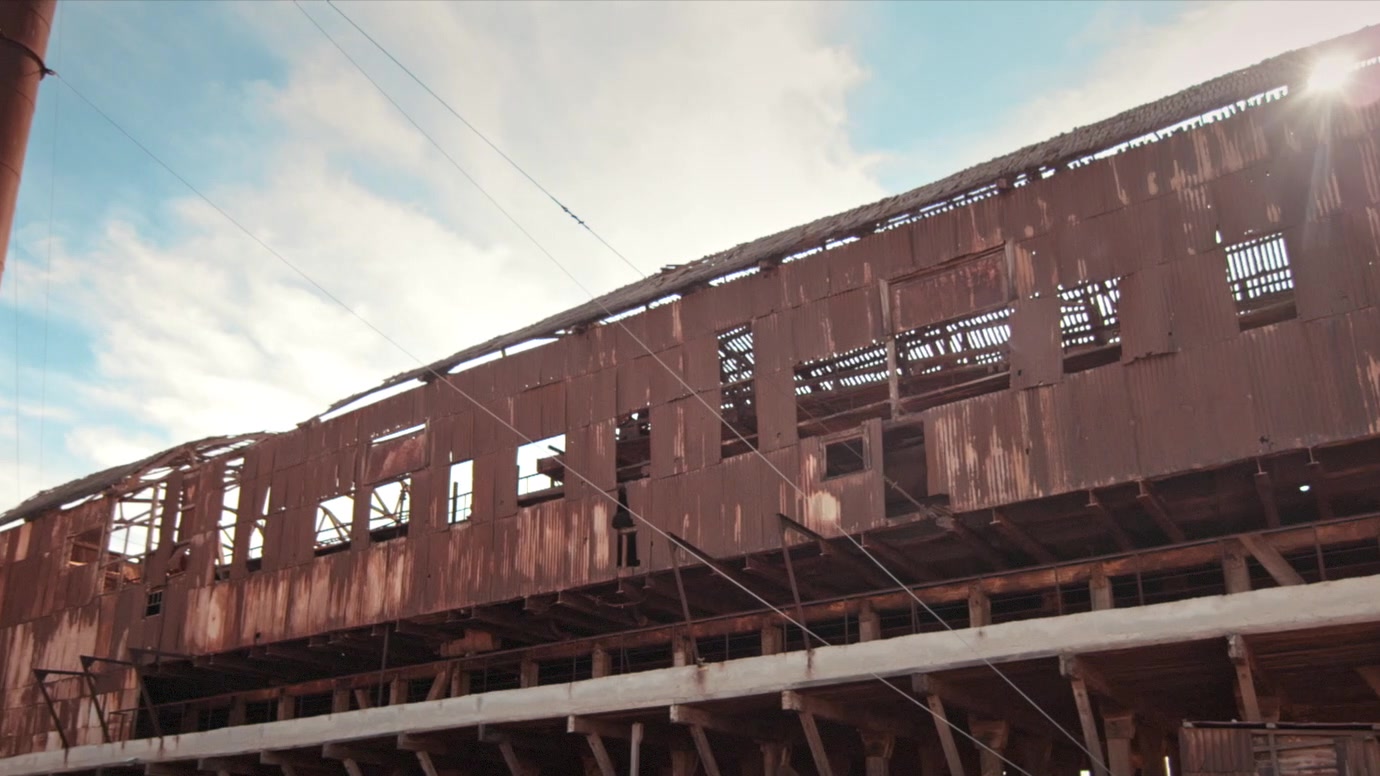 Santa Laura nitrate works, on the pampa near Iquique
Caldera: the San José mine
In 2010, the rescue of the 33 miners trapped in the San José mine held the whole world in suspense. Today it can be visited with people who lived through that story. "Let it be known that here, at the San José mine, there is a treasure: the most successful rescue in the world happened here," says Jorge, a miner who welcomes "people from all over the world" to tell them what happened.
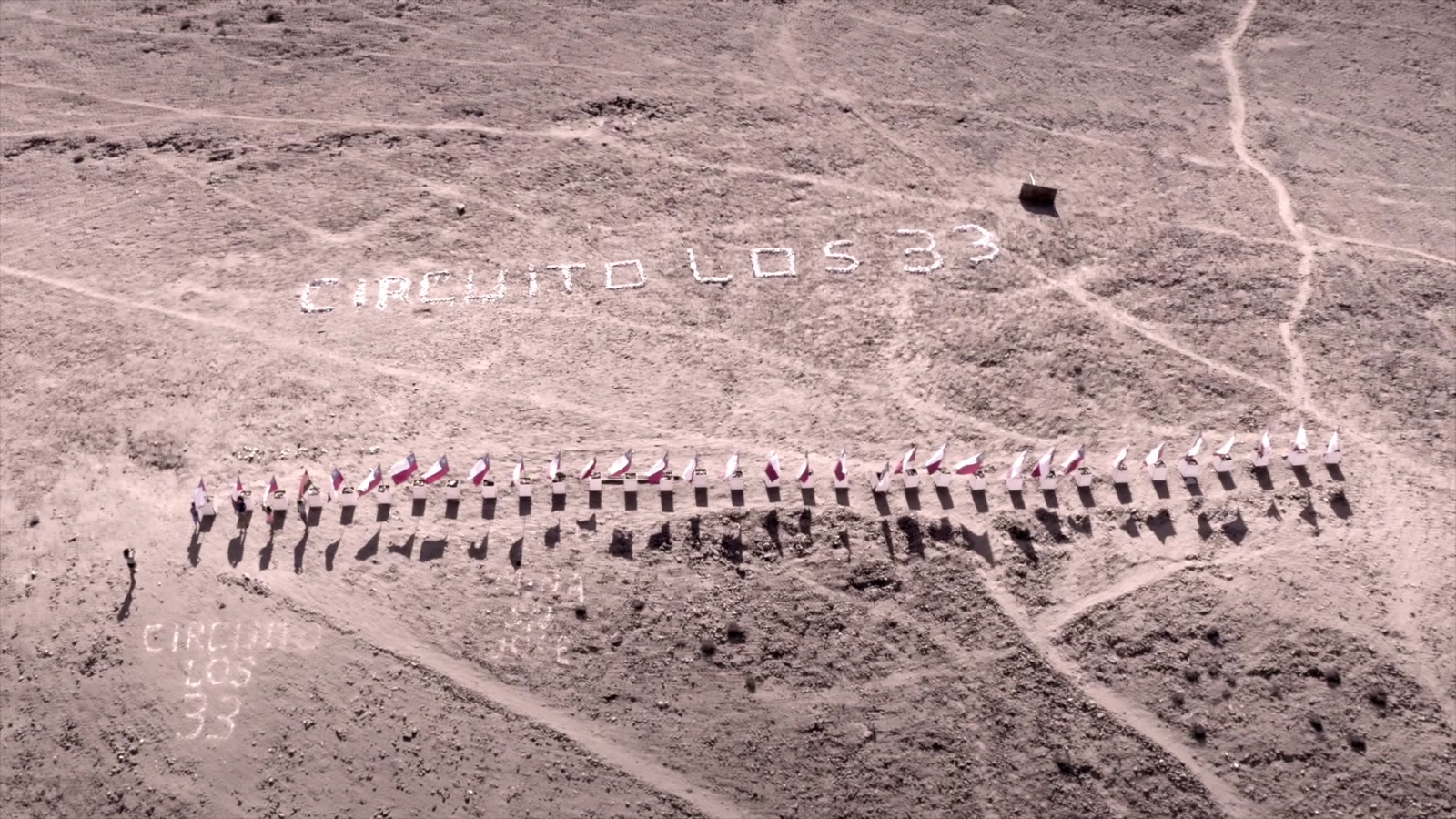 The flags that honour the 33 miners, at the San José mine
O'Higgins Region: Cuchipuy and Sewell
The Cuchipuy cemetery is one of the sites where some of the oldest human remains on the continent have been found, and a source for many scientific studies still to come. Near Rancagua, high in the Andes, lies Sewell, the old mining camp of colourful buildings linked by stairways, also a World Heritage Site.
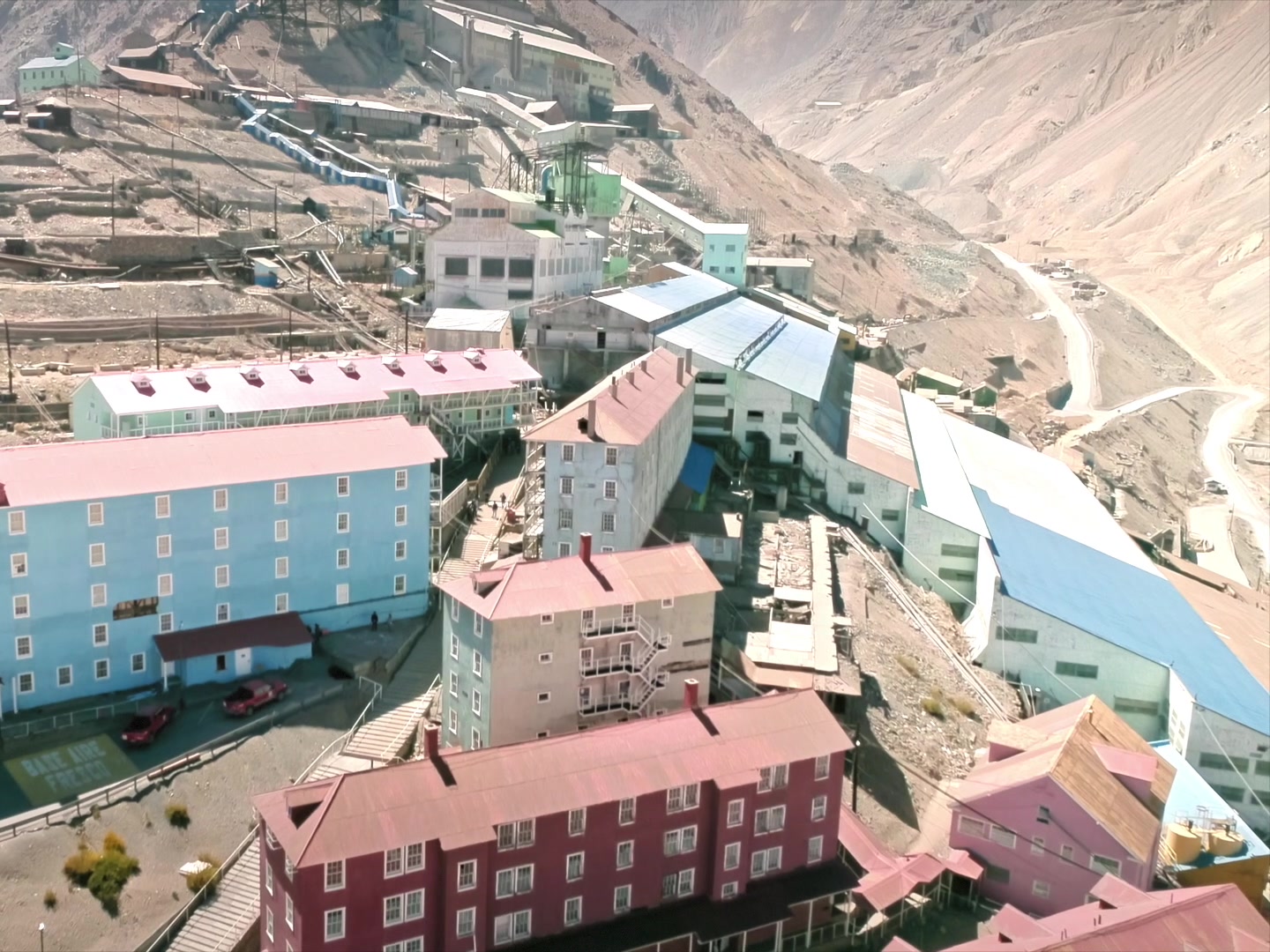 Sewell, the mining camp near Rancagua
The Poets' Coast
Just over a hundred kilometres from Santiago, the coast of Cartagena, Algarrobo and Isla Negra is known as the Poets' Coast. Here you will find Pablo Neruda's house in Isla Negra and the Vicente Huidobro museum in Cartagena. "There is a special appeal, because the presence of these poets fills this coast with their spirit," explains Bernardo, a guide at the Huidobro Museum, which hosts events related to "these giants of poetry."
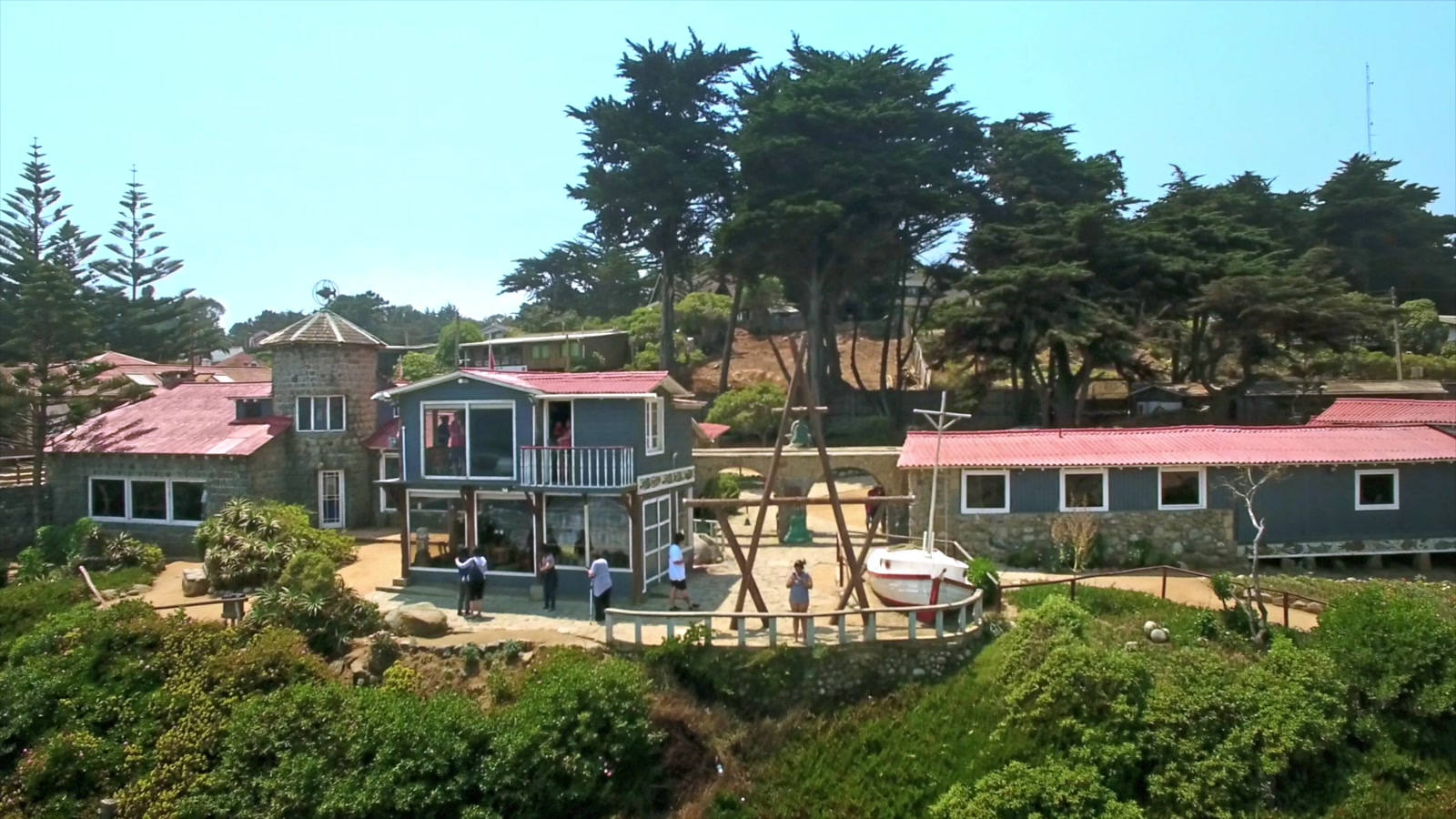 Isla Negra, on the Poets' Coast
"Being here you really feel a special energy; you relax," says Caroline, a visitor from Belgium.
 By the sea, on the central coast
Maule: the branch-line train
In the Maule Region, the branch-line train still runs between Talca and Constitución, crossing fields and forests all the way to the coast.
Mapuche culture, first-hand
Inside a ruka, Irma shares the culture of her people: "That is what I share here inside the ruka, so that people become aware of, and know, where our roots come from." And she adds: "Foreigners don't come for the hotels; they come for our beloved nature, so beautiful. And that is what the Mapuche looked after in the old days: its clean, unpolluted waters."
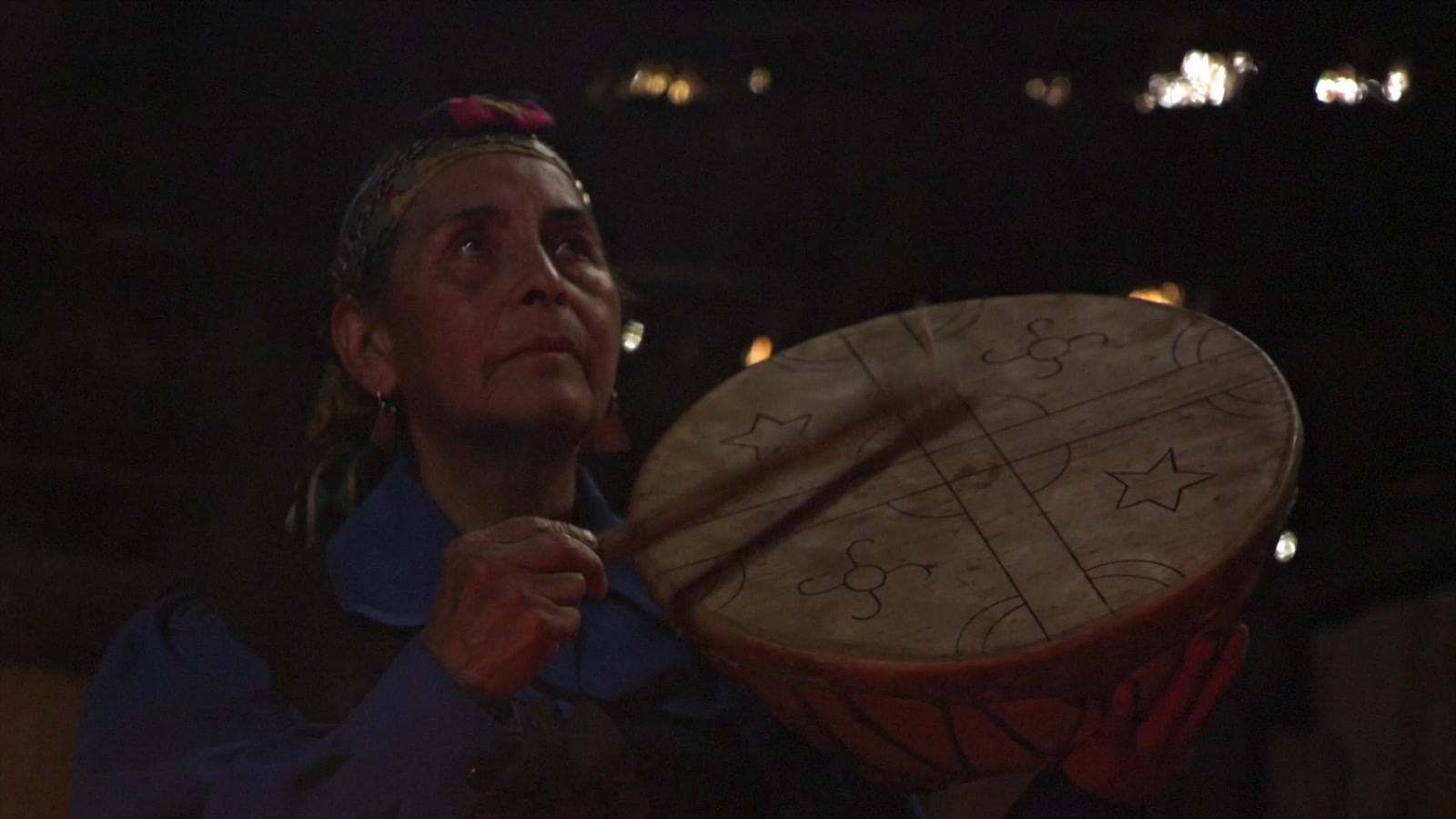 The kultrún, by the fire in the ruka
"I can see it is a unique place; I can't see this in a city, or in my country. It is the reason why we travel," say Estelle and Jared, visitors from Belgium and Australia. As Cristián puts it, what matters is "not leaving it there in silence, but bringing it to light, so that everyone can get to know it and enjoy it."