
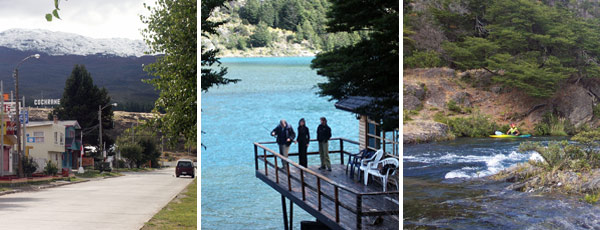
 Cochrane - Photos: Karina Jozami
 The District of Cochrane is located in the Province of Capitán Prat, in the Eleventh Region of Chile. It lies 334 kilometers away from Coyhaique and 1,983 from the Chilean capital. Founded in 1954 under the name Pueblo Nuevo, it is the capital of the community and the flights distribution center for the rest of the southern region.
Cochrane is accessed through the Southern Highway or Route 7 South, the only road that crosses the area. By air, regular flights arrive in Coyhaique from the capital and the City of Puerto Montt; the rest of the way must be covered by land or hiring air taxis that land at Cochrane’s airfield.
The district features beautiful sceneries that invite to memorable experiences amidst nature, such as visiting Tamango National Reserve, a site here the huemul, a native deer declared endangered species, may be spotted.
There are various attractions in Cochrane, such as the lake bearing the same name, shared with Argentina, where it is named Lake Pueyrredón. Besides, the Baker and the Nef River rapids, the northern ice fields and Mount San Lorenzo may be visited. During the summer season, these turn out to be ideal nooks to practice rafting, kayaking, fly-casting, wildlife mapping and horseback riding, among other activities.
The district offers a wide array of gastronomic options and good hotel infrastructure, as well as a cultural center. The highest influx of visitors takes place during the winter, when the snow comes.
