History · Los Ángeles

History of Los Ángeles

Back in the XVIth century, these lands were dwelled by the Indians known as “collunche” or “coyunche” , which in their native tongue means “dweller of the soft lands”.

Upon the arrival of the Spaniards, this place was soon called “Laja Island”, as this is a sandy territory bordered by the Laja and the Bío-Bío Rivers. The conquerors built a large number of military forts in order to sustain the position of the white man in the region. It was not until the XVIIIth century that the then governor of Chile, don José Manso de Velasco, ordered the foundation of the village of Los Ángeles.

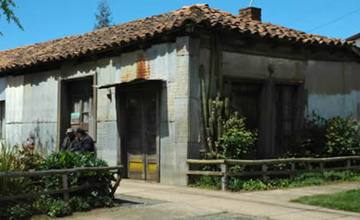
This took place in March 20, 1739 under the command of Major Pedro de Córdova y Figueroa and the staff under his charge, who performed the first tasks, which included the location of the main square, the layout of the streets and the borders of the land plots in order to start building the first public institutions, such as the church and what would later become the Town Hall.

Even if this was a key spot for the Spanish conquest, there were no settlements on these lands for a long time and the agricultural boom took place a century later. But it was during the XXth century that the city changed as a result of the population increase in the capital of the Bío-Bío region. Today, development is evident. The peak of cattle and agricultural activities has been materialized in local industry and exports. The forest activity is another big treasure in the area.

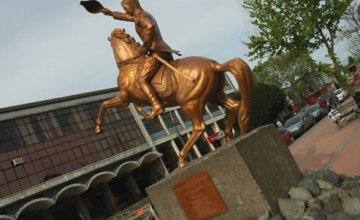
Bernardo O’Higgins is its most distinguished citizen. He stood out as the first mayor in 1810. In January 10, 1811, he was chosen by the people as a representative from La Laja (like this province was known in those days) for the First National Congress, a key institution where the spirit of national independence began to take shape.
See alsoHotels and lodging in Los Ángeles

Outings in Los Ángeles

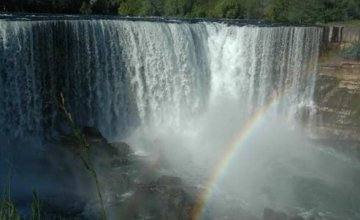
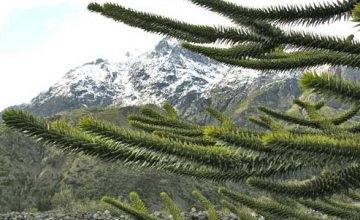
Alto Biobío and Ralco National Reserve: monkey puzzle trees and Pehuenche culture From Los Ángeles, via Santa Bárbara, into the Andes: monkey puzzle forests, Callaqui volcano and Pehuenche communities. Read more Water and Sunshine To the East of the City of Los Ángeles lies the community of Antuco. Founded in 1874 to safeguard the mountain range pass, today it is a small but be… Read more Wild Waters The famous Laja Falls lie 37 kilometers to the North of Los Ángeles. These four waterfalls of singular beauty attract thousands of tourists all year … Read more Monkey-puzzle Trees with Salt To the West of the City of Los Ángeles stands the Nahuelbuta National Park, one of the most beautiful monkey-puzzle trees reserve in Chile. An all-da… Read more Mandatory Walk A city tour around the city is essential in order to see not only its streets and attractions but also its codes and timing. It may start with a ride… Read more Tale of Three Cities Leaving from Los Ángeles, visitors may tour around three beautiful cities featuring attractions and secrets of their own. An ideal circuit to complet… Read more Ingenious Engineers Leaving Los Angeles along Route Panamericana 5 towards the South, one of the most impressive works of modern engineering may be reached: the Bridges … Read more More Lives Than a Cat We speak about Angol, a city destroyed and rebuilt seven times. In spite of its history, it is still beautiful. Today, it is the capital of the Provi… Read more A Crime Not to Visit It Wild and majestic, Laguna del Laja National Park features countless attractions worth a visit. With a unique volcano and a lagoon, it is a crime not … Read more All that Glitters is Silver In 1989, Los Angeles turned 250 years old and, as a tribute, the municipal authorities recycled its old building to transform it into the first cultu… Read more

Hotels and lodging in Los Ángeles